Rottweiler Dog Bite Force: How Strong Is a Rottweiler’s Bite?
Rottweiler Dog Bite Force is a powerful, muscular dog known for its strength, confidence, intelligence, and protective nature. One feature that often attracts attention is the breed’s powerful jaw. This leads many dog lovers to ask: How strong is a Rottweiler’s bite?
Rottweiler Dog Bite Force is often discussed in terms of pounds per square inch (PSI). However, there is no single universally accepted PSI number for every Rottweiler because measurements can vary depending on the individual dog, testing equipment, and research method.
Bite force is only one aspect of a dog’s physical abilities. A Rottweiler’s broad head, strong jaw muscles, large teeth, muscular body, and working-dog background all contribute to its impressive physical strength.
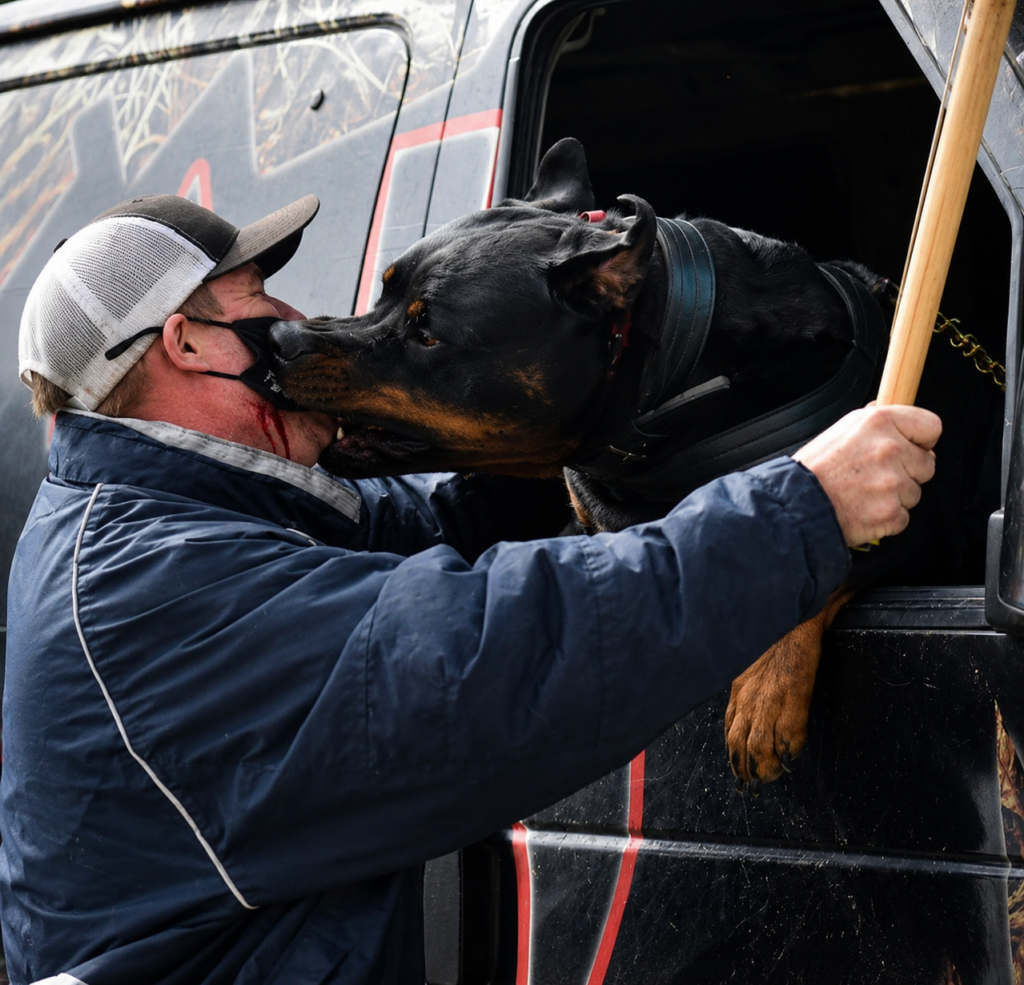
The Rottweiler Dog Bite Force Breed
The Rottweiler is a large working breed with a long history as a cattle-driving and working dog. The breed originated in Germany and takes its name from the town of Rottweil, where dogs were historically used to drive livestock and perform tasks for local butchers.
Over time, Rottweilers became versatile working dogs. Their intelligence, strength, confidence, and willingness to work helped them become useful in roles such as guarding, police work, search and rescue, and service-related activities.
Despite their powerful appearance, properly bred, socialized, and trained Rottweilers can also be affectionate and devoted family companions.
What Is Bite Force?
Bite force refers to the pressure produced when an animal closes its jaws and bites down. It is commonly discussed in PSI, or pounds per square inch. Technically, PSI measures pressure rather than simply the total force produced by the jaws.
Several factors can influence bite strength, including:
- Skull shape
- Jaw muscle development
- Body size
- Tooth structure
- Age
- Individual genetics
- Health
- Motivation during testing
Because of these variables, comparing dog breeds by strongest bite force PSI can be difficult. Online rankings should therefore be treated as estimates rather than definitive scientific measurements.
How Is a Rottweiler Dog Bite Force Measured?
Researchers can use specialized equipment to measure the pressure produced when a dog bites. Depending on the study, testing may involve pressure sensors or specially designed bite-measuring devices.
However, measuring bite force in dogs is challenging. A dog may not bite with maximum effort during a controlled experiment, and different equipment can produce different results.
For this reason, frequently repeated PSI numbers online should not automatically be considered scientifically established values.
How Strong Is a Rottweiler’s Bite?
Rottweiler Dog Bite Force are widely considered to have a powerful bite because of their large heads, strong jaw muscles, and muscular build.
A commonly cited estimate for the Rottweiler Dog Bite Force is around 328 PSI, although different sources report different figures. There is not enough consistency across testing methods to treat 328 PSI as an exact measurement for every Rottweiler.
The important point is that Rottweilers are physically powerful dogs with substantial jaw strength. Their potential to cause injury should therefore be taken seriously, particularly when training, socialization, and responsible handling are neglected.
Why Do Rottweilers Have Powerful Jaws?
Several physical characteristics contribute to the Rottweiler’s strong bite.
Broad Head
Rottweilers have a broad skull and substantial head structure. This provides space for well-developed jaw muscles.
Strong Jaw Muscles
The breed’s muscular build extends beyond its body. Strong muscles around the head and jaw contribute to its ability to grip and chew.
Large Teeth
Rottweilers have strong teeth designed for gripping and chewing. Their working-dog heritage made a strong mouth useful for various tasks.
Powerful Body
The Rottweiler is a muscular and athletic breed. Its overall physical strength contributes to its ability to pull, carry, grip, and perform demanding activities.
Rottweiler Dog Bite Force Compared With Other Dogs
People frequently search for dog breeds with the strongest bite force PSI, particularly when comparing large working and guardian breeds.
Some breeds commonly discussed in bite-force comparisons include the Rottweiler, Pit Bull, and Kangal. However, published figures can vary substantially depending on how measurements were obtained.
| Breed | Bite Force Information |
| Rottweiler | Commonly reported as having a strong bite |
| Pit Bull | Often discussed in comparisons of canine bite strength |
| Kangal | Frequently cited online as having exceptionally strong bite force |
| Cane Corso | Known for substantial jaw strength |
| Mastiff | Large head and powerful jaw structure |
| German Shepherd | Strong bite and athletic working build |
| American Bulldog | Powerful jaw and muscular build |
When searching for the strongest dog bite force: Pitbull vs Rottweiler vs Kangal, it is important to remember that many online rankings use estimates rather than standardized measurements collected from every breed under identical conditions.
Rather than focusing only on which breed has the highest PSI, it is more useful to consider the dog’s size, temperament, training, handling, and individual behavior.
Rottweiler Dog Bite Force vs. Pit Bull Bite Force
The comparison between a Pitbull and Rottweiler Dog Bite Force is common among dog enthusiasts. Both are muscular dogs with strong jaws, but reported bite-force figures vary depending on the source and testing method.
A Rottweiler is generally larger and heavier than many dogs commonly described as Pit Bulls, while individual dogs within either group can differ significantly.
Because standardized testing is limited, it is not appropriate to assume that one breed always produces a specific PSI number or that PSI alone determines how dangerous a dog may be.
Rottweiler Dog Bite Force vs. Kangal Bite Force
The Rottweiler Dog Bite Force vs Kangal bite force comparison is another popular topic. The Kangal is frequently mentioned in online discussions about the strongest dog bite force, sometimes with very high PSI figures.
However, many of the numbers circulated online are not supported by standardized scientific testing across breeds. The Rottweiler still has considerable jaw strength, but ranking breeds based only on one PSI number can create a misleading picture.
A dog’s behavior, temperament, training, environment, and circumstances surrounding a bite are all important when assessing risk.
Does a Strong Bite Mean a Rottweiler Is Aggressive?
No.
A powerful bite does not automatically mean a dog is aggressive. Bite strength is a physical characteristic, while aggression is a behavioral issue influenced by genetics, environment, socialization, training, fear, stress, pain, and individual temperament.
A well-socialized Rottweiler can be calm, affectionate, obedient, and deeply attached to its family.
However, because the breed is large and powerful, inappropriate behavior can have more serious consequences than similar behavior from a much smaller dog.
Rottweiler Temperament
Rottweilers are often described as confident, intelligent, loyal, alert, and protective.
They can develop strong bonds with their owners and may naturally be watchful of unfamiliar people or situations.
Their personality can include:
- Loyalty
- Confidence
- Intelligence
- Alertness
- Affection
- Protectiveness
- Willingness to work
- Strong family attachment
Individual temperament varies. Genetics, early experiences, socialization, training, and the dog’s environment all influence behavior.
Are Rottweilers Good Guard Dogs?
Rottweiler Dog Bite Force can be effective guardian dogs because of their size, confidence, alertness, and protective instincts.
However, a good guard dog should not simply react aggressively to every unfamiliar person. Proper training should teach the dog how to respond appropriately to different situations.
A responsible owner should focus on obedience, impulse control, socialization, and reliable responses to commands rather than encouraging unnecessary aggression.
Training a Rottweiler Dog Bite Force
Training is particularly important for a powerful breed such as the Rottweiler.
Training should begin early and continue throughout the dog’s life. Positive reinforcement, consistency, patience, and clear communication can help establish good behavior.
Useful commands include:
- Sit
- Stay
- Come
- Down
- Leave it
- Heel
- Drop it
These commands can help owners manage their dogs during everyday situations.
Socialization and Bite Prevention
Early socialization is one of the most important parts of raising a well-adjusted Rottweiler.
A puppy should gradually experience appropriate interactions with:
- Different people
- Friendly dogs
- Household environments
- Different sounds
- New locations
- Everyday situations
Positive experiences can help a puppy develop confidence and learn appropriate behavior.
Socialization does not guarantee that a dog will never bite, but it can help reduce fear-based and inappropriate reactions when combined with responsible training and management.
Teaching Bite Inhibition
Puppies naturally explore their surroundings with their mouths. Learning to control the pressure of their bite is an important part of development.
During puppyhood, owners can encourage appropriate play and redirect inappropriate mouthing toward suitable toys.
Helpful strategies include:
- Redirecting biting toward appropriate toys
- Avoiding rough games that encourage excessive biting
- Rewarding calm behavior
- Teaching commands such as “leave it” and “drop it”
- Providing appropriate mental stimulation
- Supervising interactions with children
If a dog displays serious biting or aggression, owners should seek help from a qualified veterinary behavior professional or experienced positive-reinforcement trainer.
Rottweiler Dog Bite Force and Family Safety
Because Rottweilers are large and powerful, responsible ownership is essential.
Families should teach children never to disturb a dog while it is eating, sleeping, resting, or caring for puppies. Children should also learn not to pull a dog’s ears, tail, or fur.
Young children should be supervised whenever they interact with a dog.
Owners should also pay attention to situations that may cause fear, frustration, pain, resource guarding, or defensive behavior.
Can a Rottweiler’s Bite Cause Serious Injury?
Yes. Any large, powerful dog can cause serious injury with a bite.
The severity of an injury depends on many factors, including the location of the bite, depth of the injury, duration of contact, size and strength of the dog, and circumstances surrounding the incident.
This is why responsible ownership, secure containment, training, supervision, and appropriate socialization are especially important with powerful breeds.
Common Myths About Rottweiler Dog Bite Force
Myth 1: Every Rottweiler Has the Same Bite Force
Not true. Individual dogs differ in size, anatomy, genetics, age, health, and physical development.
Myth 2: PSI Alone Determines How Dangerous a Dog Is
Not necessarily. Bite force is only one physical measurement. Behavior, temperament, circumstances, training, and the dog’s willingness to bite are also important.
Myth 3: A Strong Bite Means the Dog Is Aggressive
A strong jaw does not automatically indicate aggression. A dog can have considerable physical strength while remaining calm and well behaved.
Myth 4: Online PSI Rankings Are Always Scientifically Proven
Many popular bite-force charts repeat estimates without explaining how the numbers were obtained. Different testing methods can produce different results.
Rottweiler Dog Bite Force vs. Temperament
When evaluating a Rottweiler, temperament should receive at least as much attention as physical strength.
A responsible breeder should prioritize stable temperament, health, and appropriate breed characteristics. Owners should then continue that work through proper training, socialization, exercise, and responsible management.
A well-raised Rottweiler can be an affectionate family companion while still possessing the physical characteristics of a powerful working breed.
Exercise and Mental Stimulation
Rottweilers are intelligent and active dogs that benefit from regular physical and mental activity.
Activities may include:
- Walking
- Hiking
- Obedience training
- Retrieving games
- Scent activities
- Puzzle toys
- Agility-style exercises
- Structured play
Regular activity can help prevent boredom and provide healthy outlets for the dog’s energy.
Responsible Rottweiler Ownership
Owning a powerful breed comes with responsibility.
Responsible owners should provide:
- Early socialization
- Consistent training
- Regular exercise
- Proper nutrition
- Routine veterinary care
- Secure fencing or containment
- Appropriate supervision
- Safe interactions with children and other animals
Owners should also understand local regulations and housing or insurance requirements that may apply to Rottweilers in their area.
Rottweiler Dog Bite Force: The Bigger Picture
The Rottweiler’s powerful bite is only one part of what makes this breed physically impressive.
Its broad head, strong jaw muscles, muscular body, athletic ability, intelligence, and working background all contribute to its reputation as a powerful dog.
When people search for the strongest dog bite force, comparisons often focus on breeds such as the Rottweiler, Pit Bull, and Kangal. Yet there is no simple ranking that can fully describe the physical or behavioral characteristics of every individual dog.
The bite force of a Rottweiler dog is certainly notable, but focusing exclusively on PSI can create an incomplete picture. A dog’s behavior depends on far more than the strength of its jaws.
Training, socialization, genetics, environment, health, and responsible ownership all play important roles in determining how a Rottweiler behaves. If you want to know more about Rottweiler Dog Bite Force you can visit https://www.dogsguide.blog/rottweiler-bite-force-psi-analysis.
Frequently Asked Questions
What is the bite force of a Rottweiler?
A commonly cited estimate is around 328 PSI, but bite-force measurements vary considerably between studies and testing methods. It is better to treat this number as an estimate rather than an exact measurement for every Rottweiler.
Do Rottweilers have a strong bite?
Yes. Rottweilers are large, muscular working dogs with strong jaw structures, and they are generally considered to have a powerful bite.
How does a Rottweiler compare with a Pit Bull?
Both can have strong jaws, but reliable breed-to-breed comparisons are difficult because bite-force measurements vary between individual dogs and testing methods.
Does the Kangal have a stronger bite than a Rottweiler?
The Kangal is frequently claimed to have one of the strongest dog bites, but many highly specific PSI figures circulating online are not based on standardized testing. Therefore, exact rankings should be treated cautiously.
Are Rottweilers aggressive because they have a strong bite?
No. Bite strength does not determine temperament. Proper breeding, socialization, training, environment, and individual personality all influence a dog’s behavior.
Can Rottweilers be good family dogs?
Yes. Properly socialized and trained Rottweilers can be loyal, affectionate, and devoted family companions. Their size and strength mean that responsible supervision and training are especially important.
Are Rottweilers good guard dogs?
Rottweilers can be effective guardian dogs because of their confidence, alertness, intelligence, and protective instincts. Proper training is essential to ensure these traits are managed responsibly.
Final Thoughts
The Rottweiler is a powerful breed with a muscular body, strong jaw, impressive athletic ability, and a long history as a working dog. The Rottweiler Dog Bite Force is frequently discussed, with online sources often citing figures such as 328 PSI, but there is no single scientifically established number that applies to every Rottweiler.
When comparing dog breeds by strongest bite force PSI, it is important to remember that different testing methods can produce different results. Comparisons involving the Pit Bull, Rottweiler, and Kangal should therefore be treated as general discussions rather than definitive rankings.
More importantly, bite force should not be used as the sole measure of a dog’s behavior or potential danger. A Rottweiler’s temperament, socialization, training, genetics, environment, and responsible ownership are all critical factors.
For the right owner, a well-raised Rottweiler can be much more than a powerful dog. It can be an intelligent working partner, loyal protector, affectionate companion, and devoted member of the family. If you want to know more about dogs you should visit our site https://pawventra.com/.