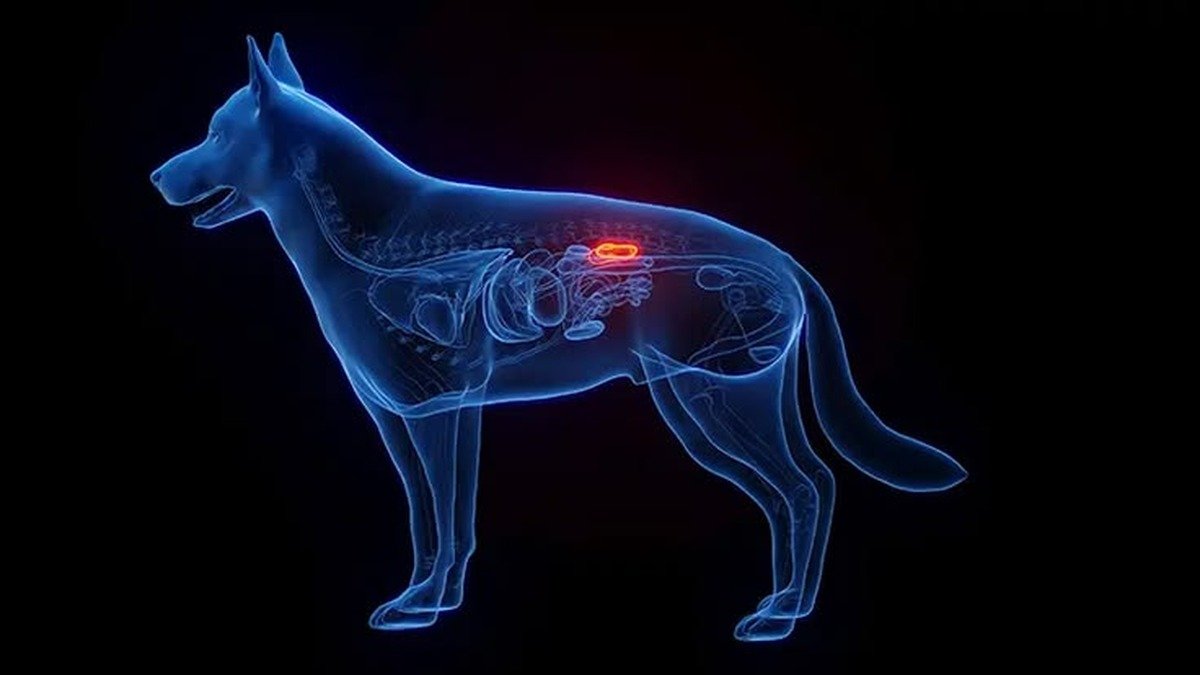
Early Signs of Kidney Disease in Dog What Every Dog Owner Should Know
Kidney disease is a health problem that can affect dogs at different stages of life. Because the condition may develop slowly, the first changes are not always easy for an owner to notice. A dog may simply drink more water, urinate more often, or seem less interested in food than usual.
Learning to recognize these changes can help you seek veterinary advice sooner. Early evaluation is important because kidney problems can have different causes, and treatment depends on the underlying condition and how well the kidneys are functioning.Early Signs of Kidney Disease in Dogs
What Do the Kidneys Do in Dogs?
Understanding the Early Signs of Kidney Disease in Dog can help owners notice changes before the condition becomes more seriousA dog’s kidneys perform several important jobs every day. They filter waste products from the bloodstream and remove them from the body through urine. They also help maintain the right balance of water, minerals, and electrolytes.
The kidneys are also involved in controlling blood pressure and producing hormones that support the production of red blood cells.
When kidney function becomes impaired, waste products can accumulate in the bloodstream. Over time, this can affect many parts of the body and lead to noticeable changes in your dog’s health.
Early Signs of Kidney Disease in Dogs
The symptoms of kidney disease can vary from one dog to another. Some signs may be mild at first and become more obvious as the condition progresses.
1. Drinking More Water
One of the changes owners may notice is increased thirst. A dog that suddenly starts emptying its water bowl more frequently may be trying to compensate for changes in its ability to concentrate urine.This can be one of the early signs of kidney disease in dog, especially when increased thirst continues over time
Increased thirst does not always mean kidney disease, however. Diabetes, certain medications, hormonal conditions, and other health problems can also cause excessive drinking.
2. Frequent Urination
Along with increased thirst, your dog may begin urinating more often or producing larger amounts of urine. Some dogs may need to go outside more frequently than they normally do.
If a previously house-trained dog suddenly starts having accidents indoors, it is worth discussing the change with a veterinarian.
3. Reduced Appetite
A dog with kidney problems may gradually lose interest in food. You might notice that your dog leaves part of its meal, eats more slowly, or refuses foods it normally enjoys.
A reduced appetite can have many causes, but when it occurs together with increased thirst, vomiting, weight loss, or tiredness, it deserves veterinary attention.
4. Weight Loss
Unexplained weight loss can be another warning sign. A dog may lose weight because it is eating less, experiencing nausea, or because the underlying disease is affecting normal body functions.
Regularly checking your dog’s body condition can help you notice gradual changes that might otherwise go unnoticed.
5. Tiredness and Weakness
Dogs with kidney disease may become less active than usual. A dog that previously enjoyed walks or playing may start spending more time resting.
Some dogs may appear weak or have less interest in activities they normally enjoy. Persistent changes in energy should not simply be dismissed as normal aging.
6. Vomiting or Nausea
As kidney function declines, waste products can build up in the bloodstream. This may contribute to nausea and digestive problems.
Repeated vomiting is particularly concerning because it can also cause dehydration, which may place additional stress on the kidneys.
7. Bad Breath
A noticeable change in your dog’s breath can sometimes occur with advanced kidney problems. The breath may develop an unusual, strong odor as waste products accumulate in the bloodstream.
Bad breath can also be caused by dental disease, so this symptom alone does not confirm kidney disease.
8. Changes in the Gums
Dogs with more advanced kidney disease can develop anemia. This may make the gums appear paler than their normal pink color.
If your dog’s gums suddenly look unusually pale, white, or gray, contact a veterinarian promptly rather than waiting for other symptoms to appear.
What Causes Kidney Disease in Dogs?
Kidney disease can have many different causes. In older dogs, chronic kidney disease may develop gradually over time. Younger dogs can also develop kidney problems because of inherited conditions, infections, toxins, or other diseases.
Some possible causes and risk factors include:
- Aging and natural changes in kidney function
- Inherited kidney conditions
- Certain infections
- High blood pressure
- Some medications or toxic substances
- Kidney stones or urinary problems
- Certain underlying diseases
- Exposure to substances that can damage the kidneys
Grapes and raisins, for example, have been associated with acute kidney injury in dogs. Some human medications can also be dangerous for dogs.
If you think your dog has swallowed a potentially toxic substance, contact a veterinarian or emergency animal service immediately.https://pawventra.com/wp-admin
How Is Kidney Disease Diagnosed?
Symptoms alone cannot confirm kidney disease. A veterinarian normally uses your dog’s history, physical examination, and diagnostic tests to determine what may be happening.
Blood Testing
Blood tests can measure substances such as creatinine and blood urea nitrogen (BUN). These results can provide information about kidney function.
Veterinarians may also assess other blood values to look for related problems such as electrolyte abnormalities or anemia.
Urine Testing
A urine test can provide important information about how effectively the kidneys are concentrating urine. It can also detect abnormalities such as protein, blood, or signs of infection.
Blood Pressure Measurement
High blood pressure can occur alongside kidney disease and may also contribute to further organ damage. For this reason, veterinarians may monitor a dog’s blood pressure as part of the overall assessment.
Imaging Tests
Depending on the situation, a veterinarian may recommend imaging such as an ultrasound or X-ray. These tests can help identify structural changes, stones, cysts, or other abnormalities affecting the urinary system.
Can Kidney Disease in Dogs Be Treated?
Treatment depends on the cause and severity of the kidney problem. Chronic kidney disease cannot usually be reversed, but appropriate management can help control symptoms and support a dog’s quality of life.
A veterinarian may recommend:
A Veterinary Renal Diet
Specially formulated kidney diets may contain controlled levels of phosphorus, protein, sodium, and other nutrients. The exact diet should be selected with veterinary guidance because nutritional needs vary between dogs.
Fluid Support
Dogs with kidney disease can become dehydrated more easily. Depending on the dog’s condition, a veterinarian may recommend increased access to water or fluid therapy.
Medications
Some dogs need medication to manage problems associated with kidney disease, such as high blood pressure, nausea, protein loss, or mineral imbalances.
Regular Monitoring
Kidney disease can change over time. Regular veterinary appointments and blood and urine tests can help monitor kidney function and determine whether treatment needs to be adjusted.
How Can You Help a Dog With Kidney Disease at Home?

If your dog has been diagnosed with kidney disease, daily observation becomes especially important.
Keep track of changes in:
- Water consumption
- Urination
- Appetite
- Body weight
- Energy levels
- Vomiting or diarrhea
- General behavior
Always make sure your dog has access to fresh water unless your veterinarian has given you different instructions.
Do not give your dog human painkillers or other medications unless they have specifically been prescribed or approved by a veterinarian. Some common human medicines can be dangerous to dogs.https://thelighthousevets.com/blog/spotting-the-early-signs-of-kidney-disease-in-dogs
When Should You Contact a Veterinarian?
You should arrange a veterinary examination if you notice persistent changes in your dog’s drinking, urination, appetite, weight, or energy.
More urgent veterinary attention is needed if your dog is repeatedly vomiting, cannot keep water down, becomes extremely weak, collapses, has very pale gums, or may have swallowed a toxic substance.
Early investigation does not necessarily mean your dog has kidney disease. However, identifying the real cause of unusual symptoms gives your veterinarian a better opportunity to provide appropriate treatment.
Final Thoughts
Kidney disease in dogs can develop gradually, which makes early warning signs easy to overlook. Increased thirst, frequent urination, appetite changes, weight loss, vomiting, bad breath, and unusual tiredness can all be reasons to pay closer attention to your dog’s health.
These symptoms can also occur with other medical conditions, so they should not be used to diagnose kidney disease at home. If you notice a persistent or unusual change in your dog, speak with a veterinarian and explain what you have observed.
With proper veterinary care, monitoring, nutrition, and treatment, many dogs with kidney disease can continue to enjoy a comfortable and meaningful quality of life.