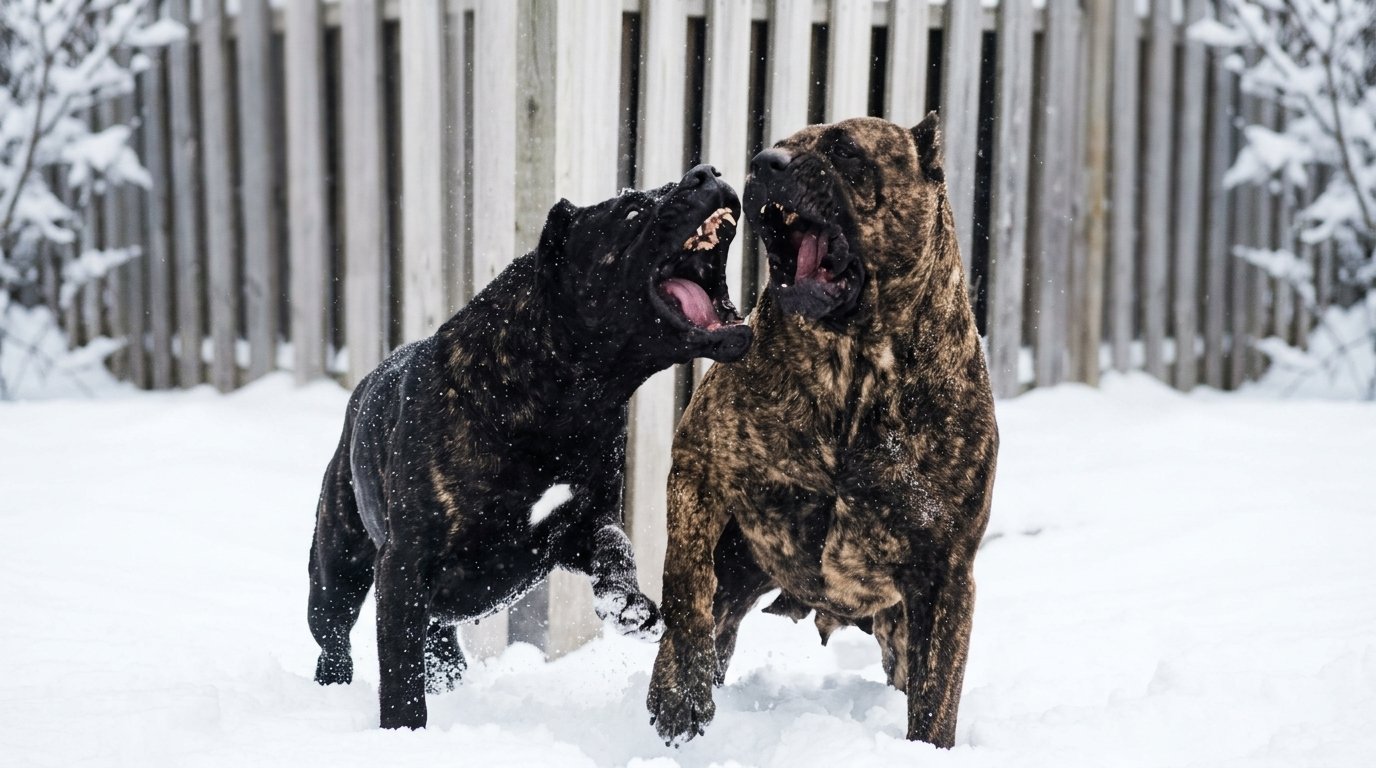
Most Dangerous Dog Breeds: A Complete Guide to Powerful and Protective Dogs
Most Dangerous Dog Breeds are among the most loyal and loving animals in the world, but some dogs are known for their incredible strength, protective instincts, high prey drive, or powerful physical abilities. Because of these characteristics, certain breeds are often described as dangerous dog breeds.
When people search for the most dangerous dog, most dangerous dogs, or most dangerous dog breeds, they are usually looking for information about breeds that may have powerful bodies, strong protective instincts, high prey drives, or challenging temperaments.
However, calling a breed dangerous can be misleading. The American Veterinary Medical Association (AVMA) states that any dog can bite and that it is inappropriate to predict an individual dog’s aggressive behavior based only on breed. A dog’s genetics, socialization, training, environment, health, and individual temperament can all influence behavior.
This guide looks at several large and powerful breeds that are commonly discussed when people search for the most dangerous dogs in the world, while explaining why responsible ownership is so important.
What Makes a Dog Dangerous?
A dog’s potential to cause serious harm is not determined by aggression alone. Size, strength, bite severity, behavior, and the owner’s ability to control the dog can all influence the level of risk.
When people ask what the most dangerous dog is, they may focus on physical strength or bite power. However, there is no single characteristic that makes one breed universally more dangerous than every other breed.
The ASPCA notes that factors such as a dog’s size, previous bite history, severity of previous incidents, predictability, triggers, and exposure to potential targets can affect how dangerous an individual dog may be.
Some factors that can contribute to dangerous behavior include:
- Poor socialization
- Inadequate training
- Fear and anxiety
- Territorial behavior
- Resource guarding
- Predatory instincts
- Previous abuse or neglect
- Pain or illness
- Lack of supervision
- Deliberate training for aggression
- Irresponsible breeding or ownership
For this reason, a dangerous dog should be evaluated as an individual rather than judged entirely by its breed.
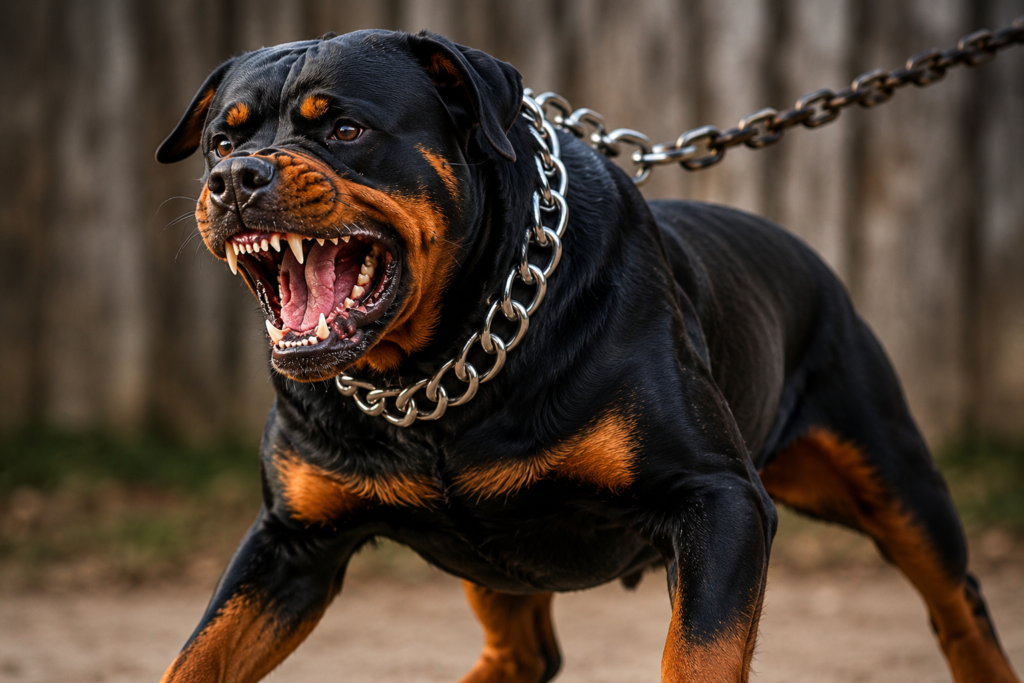
1. Rottweiler
The Rottweiler is a powerful working breed known for its confidence, intelligence, loyalty, and protective instincts.
Originally developed for working and guarding duties, Rottweilers can form strong bonds with their families. Their muscular build and strength mean that irresponsible handling can create serious safety concerns.
Early socialization and obedience training are particularly important. A well-managed Rottweiler can be a calm and affectionate companion, while an inadequately trained individual may become difficult to control.
Because of its strength and protective nature, the Rottweiler is frequently included in discussions about the most dangerous dog breeds and most aggressive dog breeds. This breed is consider in the most dangerous dog breeds.
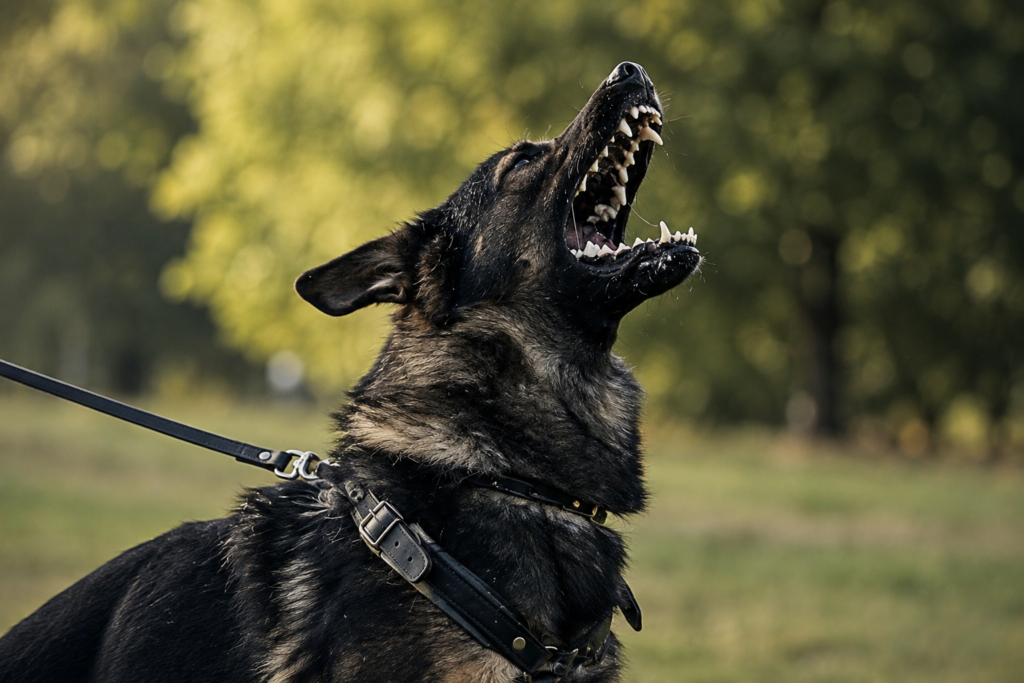
2. German Shepherd
The German Shepherd is one of the world’s most recognizable working dogs. It is intelligent, athletic, alert, and highly trainable.
German Shepherds have historically been used for police work, military duties, guarding, search and rescue, and other demanding tasks. These abilities come with a strong need for exercise, mental stimulation, and structured training.
Some individuals may be naturally protective or cautious around unfamiliar people. Proper socialization can help them learn how to respond appropriately to different situations.
Although German Shepherds may appear on lists of most dangerous dogs, a well-trained and properly socialized German Shepherd can be a loyal, obedient, and dependable companion.
3. Doberman Pinscher
The Doberman Pinscher is an athletic and intelligent breed that was developed for protection and companionship.
Dobermans are typically alert and highly responsive to their owners. Their speed, strength, and protective instincts can make them formidable when poorly managed.
Responsible owners should provide obedience training, positive socialization, exercise, and appropriate supervision from an early age.
The breed is sometimes included in articles about the most dangerous dogs in the world, but individual temperament remains much more important than a simple breed label.This breed is consider in the most dangerous dog breeds.

4. Cane Corso
The Cane Corso is a large Italian mastiff with a history of guarding and working roles. It is muscular, confident, intelligent, and naturally protective.
Because of its considerable size and strength, a Cane Corso requires an owner who understands how to manage a powerful dog.
Training should begin early, and socialization should expose the dog to people, animals, environments, and everyday situations in a controlled and positive manner.
Its combination of physical power and protective instincts is one reason it is sometimes included in searches for the most dangerous dog in the world.This breed is consider in the most dangerous dog breeds.

5. Akita
The Akita is a large Japanese breed recognized for its strength, independence, dignity, and loyalty.
Akitas can be reserved around unfamiliar people and may have strong territorial tendencies. Some individuals may also be less tolerant of unfamiliar dogs.
This breed can be a wonderful companion for the right household, but owners should understand its independent personality and take socialization and training seriously.
The Akita is sometimes mentioned among dangerous dog breeds because of its strength and independent nature, but this does not mean every Akita is aggressive.This breed is consider in the most dangerous dog breeds.

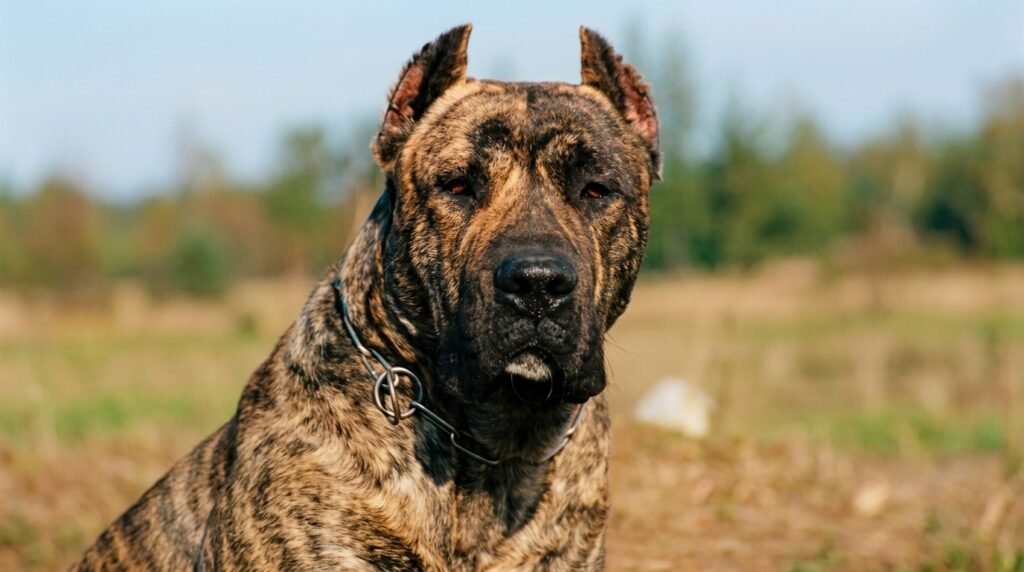
6. Presa Canario
The Presa Canario is a large and powerful breed originating from the Canary Islands. Historically associated with guarding and working activities, it has a strong and imposing appearance.
Its physical strength means that owners need to be particularly responsible about training, supervision, containment, and public handling.
A large dog should never be allowed to roam freely or interact with unfamiliar people and animals without appropriate control.
The Presa Canario is sometimes included in online discussions about the most dangerous dogs in the world because of its size, strength, and guarding background.This breed is consider in the most dangerous dog breeds.
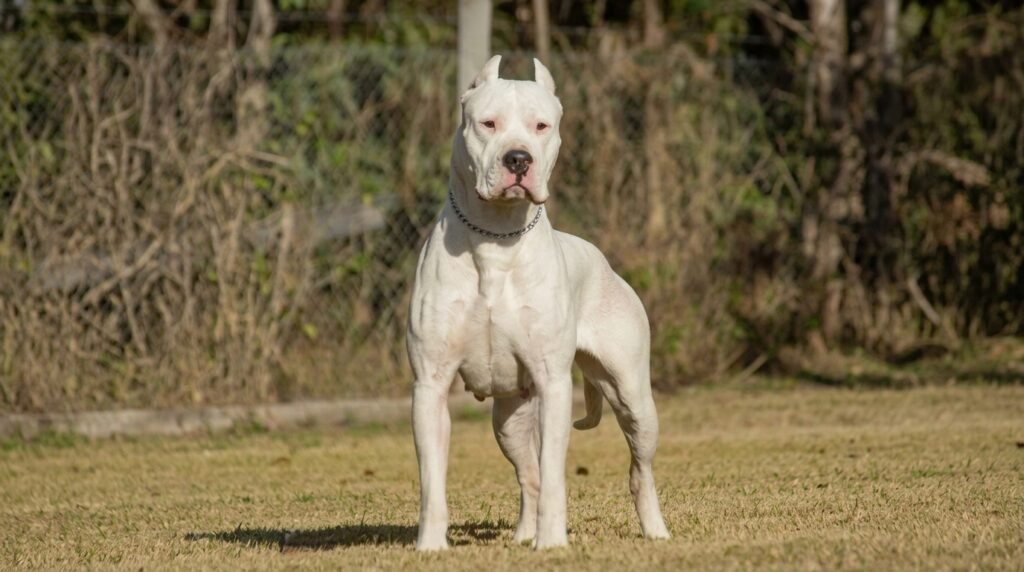
7. Dogo Argentino
The Dogo Argentino is a muscular hunting breed developed in Argentina. It is athletic, determined, courageous, and energetic.
Because of its hunting background, the breed can have a strong prey drive. Owners should understand how to manage interactions with smaller animals and provide appropriate outlets for exercise and training.
Its size and strength also make reliable obedience particularly important.
The Dogo Argentino may appear in lists of dangerous dog breeds because of its physical abilities and hunting instincts, but responsible ownership plays a major role in how an individual dog behaves.This breed is consider in the most dangerous dog breeds.
8. Belgian Malinois
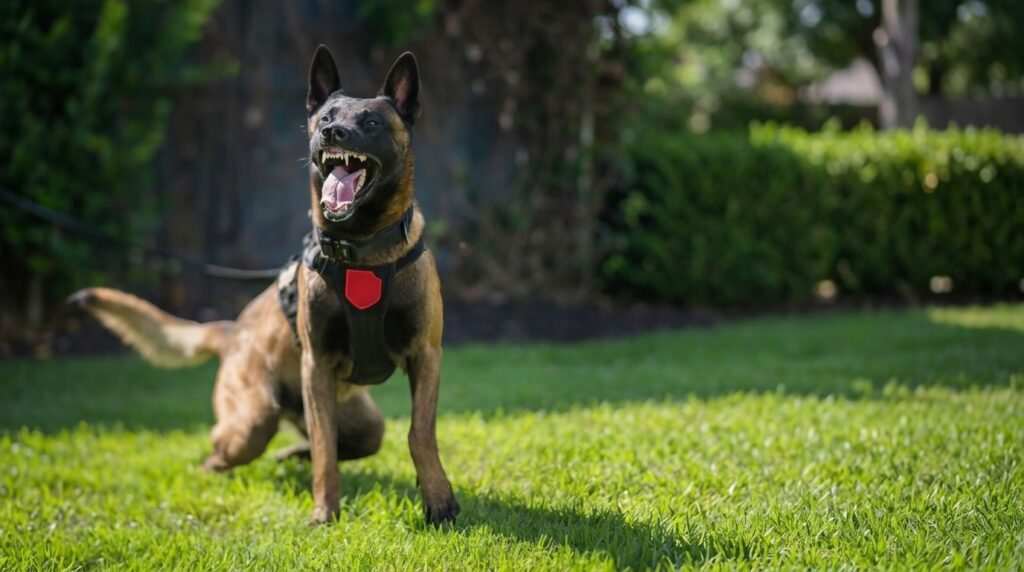
The Belgian Malinois is an extremely intelligent and energetic working dog frequently used in police, military, detection, and protection work.
This breed is not necessarily dangerous, but its high energy, intelligence, drive, and working instincts can make it challenging for inexperienced owners.
A Belgian Malinois generally needs extensive physical activity and mental stimulation. Without adequate outlets, unwanted behaviors can develop.
Its working abilities and intense drive explain why it may be mentioned when discussing powerful dog breeds, strongest dog breeds, and most aggressive dog breeds.This breed is consider in the most dangerous dog breeds.
9. Bullmastiff
The Bullmastiff was developed as a guardian and is known for its impressive size and strength.
Despite its powerful appearance, a properly socialized Bullmastiff can be affectionate and devoted to its family. However, its size means that owners must teach good manners and maintain control.
Large dogs can cause significant injuries even during accidental incidents, so responsible handling is essential.
A Bullmastiff demonstrates an important difference between a powerful dog and a genuinely aggressive or dangerous dog.This breed is consider in the most dangerous dog breeds.

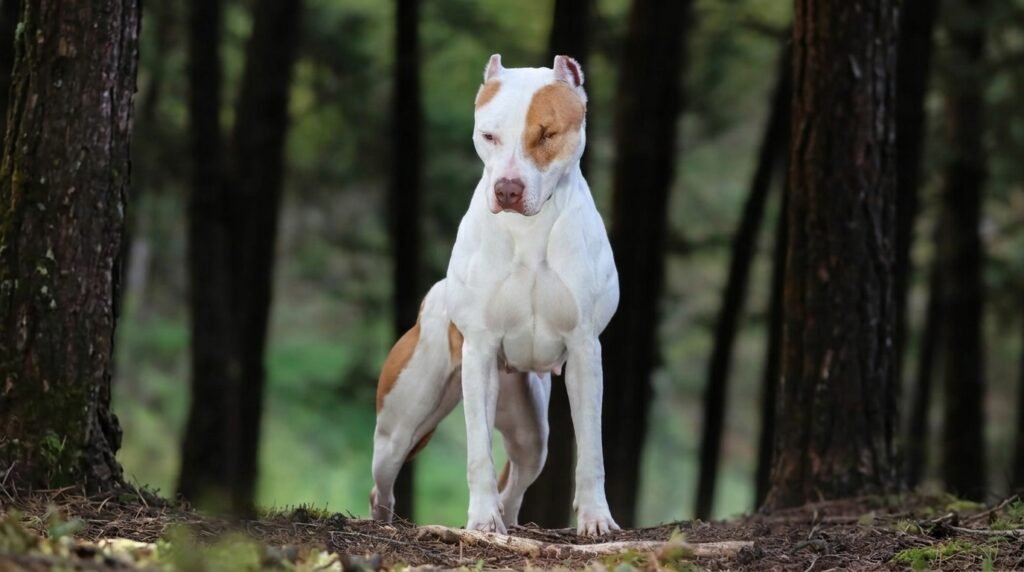
10. American Pit Bull Terrier and Pit Bull-Type Dogs
Pit bull-type dogs are frequently included in discussions about the most dangerous dogs and most aggressive dog breeds. However, “pit bull” is not a single universally defined breed, and the term may be used for several breeds and mixed-breed dogs.
The AVMA emphasizes that breed alone should not be used to predict whether an individual dog will behave aggressively.
Like other powerful dogs, individual temperament, upbringing, training, socialization, and responsible ownership are important considerations.
This is why statistics and online lists about most dangerous dog breeds should always be interpreted carefully.This breed is consider in the most dangerous dog breeds.
11. Alaskan Malamute
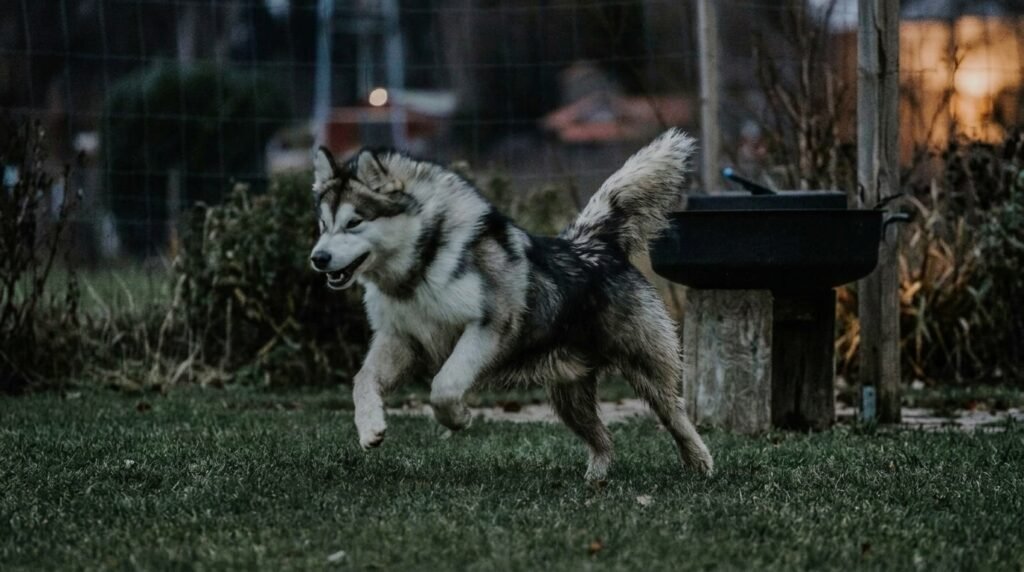
The Alaskan Malamute is a powerful northern working breed originally developed for hauling heavy loads.
Malamutes are intelligent, energetic, independent, and physically strong. Some can be challenging around other dogs, particularly without appropriate socialization and management.
They require regular exercise and mental stimulation to remain healthy and well-adjusted.
Although the Alaskan Malamute is not automatically a dangerous dog, its physical strength and independent personality mean that owners need to understand the breed’s needs.This breed is consider in the most dangerous dog breeds.
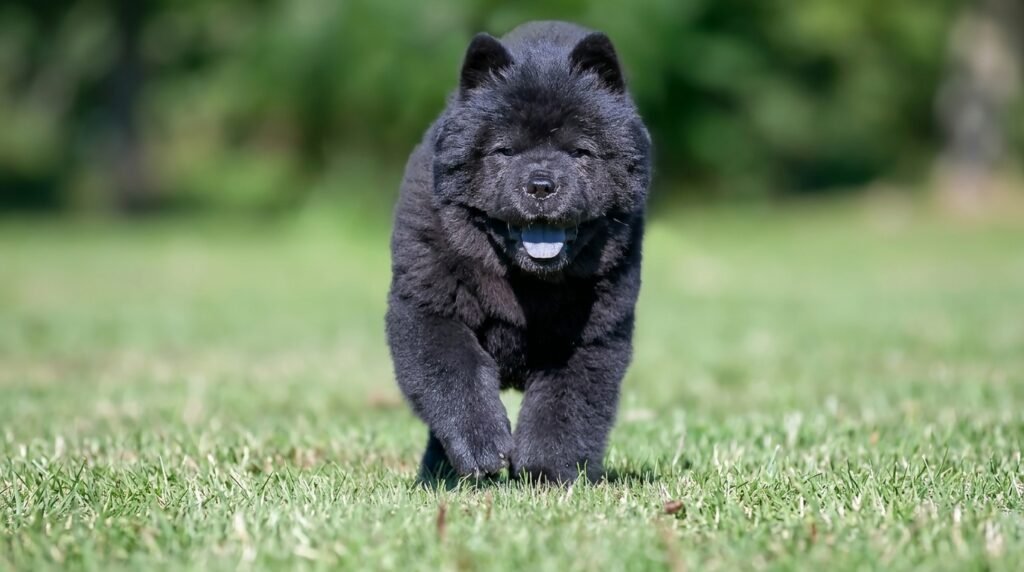
12. Chow Chow
The Chow Chow is an ancient breed recognized for its distinctive appearance and independent personality.
Some Chow Chows can be reserved around strangers and protective of their homes. They may also be less tolerant of unfamiliar dogs.
Early socialization and respectful handling can help a Chow Chow become a more confident and manageable companion.
The breed may appear in online searches for dangerous dog breeds, but individual temperament and upbringing are important when evaluating any dog.This breed is consider in the most dangerous dog breeds.
Are These Dogs Actually Dangerous?
Not automatically.
This is one of the most important points to include in any article about most dangerous dog breeds.
The ASPCA explains that individual temperament and a dog’s history of interacting with people and other animals are better predictors of behavior than simply judging a dog by breed.
Two dogs from the same breed can have completely different personalities. One may be friendly and relaxed, while another may be fearful, reactive, or protective.
Therefore, a breed should not automatically be labeled dangerous simply because it is large, powerful, or historically used for guarding or hunting.
When someone asks what the most dangerous dog is, there is no single scientifically supported answer based solely on breed.These are the most dangerous dog breeds.https://worldanimalfoundation.org/dogs/most-dangerous-dog-breeds/
Most Dangerous Dog Breeds vs. Most Aggressive Dog Breeds
The terms most dangerous dog breeds and most aggressive dog breeds are often used interchangeably online, but they do not necessarily mean the same thing.
A dog can be powerful without being aggressive. Similarly, a smaller dog can display aggressive behavior but have less physical ability to cause serious injury.
Danger can depend on several factors, including:
- Physical size
- Strength
- Behavior
- Bite history
- Training
- Socialization
- Environment
- Owner experience
- Ability to control the dog
Therefore, an online list of the 25 most dangerous dogs in the world should not be treated as a scientific ranking of individual dogs.
Why Dog Training Matters
Training gives owners better control over their dogs and helps dogs understand what is expected of them.
Basic commands such as:
- Sit
- Stay
- Come
- Leave it
- Drop it
- Heel
can be extremely useful when managing a strong dog.
Training should begin early and continue throughout the dog’s life. Positive reinforcement and consistent handling can help establish good habits.
The ASPCA recommends professional help for serious aggression because aggressive behavior can be complex and potentially dangerous to manage.
The Importance of Socialization
Socialization introduces dogs to different people, animals, sounds, environments, and experiences.
A properly socialized dog can learn that unfamiliar situations do not automatically represent a threat.
Socialization should be gradual and positive rather than overwhelming the dog. Owners should also learn to recognize signs of fear, stress, and discomfort.
Proper socialization is especially important for powerful breeds because good behavior and reliable responses can make them easier and safer to manage.
Signs That a Dog May Become Dangerous
Owners should pay attention to changes in behavior.
Potential warning signs can include:
- Repeated growling
- Stiff body posture
- Showing teeth
- Lunging
- Snapping
- Charging at people or animals
- Severe resource guarding
- Uncontrolled chasing
- Repeated attempts to bite
- Unpredictable aggressive reactions
Aggression can have many causes. The ASPCA describes territorial, protective, possessive, fear-based, defensive, frustration-related, redirected, pain-related, and predatory forms of aggression.
Recognizing these warning signs early can help owners seek professional assistance before behavior becomes more serious.
Can Aggression Be Prevented?
Aggression cannot always be completely prevented, but responsible ownership can reduce many behavioral risks.
Owners should:
- Socialize their dogs appropriately.
- Begin obedience training early.
- Provide sufficient exercise.
- Avoid encouraging aggressive behavior.
- Supervise interactions with children.
- Secure dogs properly at home and in public.
- Use a leash where required.
- Learn canine body language.
- Take sudden behavioral changes seriously.
- Consult a veterinarian or qualified behavior professional when necessary.
The ASPCA also notes that medical conditions and pain can contribute to aggressive behavior, making veterinary evaluation important when aggression appears or suddenly changes.
Dangerous Dog vs. Powerful Dog
A powerful dog is not automatically a dangerous dog.
For example, a large Mastiff may have enough physical strength to cause serious injury, but that does not mean the individual dog is aggressive. Similarly, a small dog can display aggressive behavior even though it may have less physical ability to cause severe injury.
This distinction is important when choosing a dog.
Potential owners should consider:
- The dog’s adult size
- Energy level
- Exercise requirements
- Temperament
- Training needs
- Socialization requirements
- Prey drive
- Experience of the owner
- Household environment
- Ability to safely manage the dog
When researching what the most dangerous dog in the world is, it is therefore better to consider the complete picture instead of focusing on one characteristic such as bite strength or body size.
Are Dangerous Dog Breeds Good Family Dogs?
Some large and powerful breeds can become excellent family companions when their individual temperament is appropriate, and they receive proper training, socialization, exercise, and supervision.
However, families should never choose a dog based only on appearance or popularity.
Parents should supervise young children around dogs and teach children not to disturb dogs while they are eating, sleeping, resting, or caring for puppies.
Extra care is particularly important with large, powerful dogs because an aggressive incident or accidental knockdown can result in significant injury.
What Is the Most Dangerous Dog?
There is no universally accepted answer to “what is the most dangerous dog?”
Lists of the 25 most dangerous dogs in the world can vary depending on the criteria being used. Some lists focus on reported bite incidents, while others consider size, strength, guarding instincts, prey drive, or historical working roles.
These differences mean that online rankings should be treated cautiously.
Instead of asking only which breed is the most dangerous, potential owners should ask:
Can I safely train, socialize, exercise, supervise, and manage this particular dog?
That question is much more useful when deciding whether a powerful breed is suitable for a household.
What Is the Most Dangerous Dog in the World?
When people search “what is the most dangerous dog in the world,” they may expect one breed as the answer. However, there is no reliable scientific ranking that identifies one breed as universally the most dangerous.
A dog’s behavior depends on multiple factors, including genetics, environment, training, socialization, health, previous experiences, and individual temperament.
Therefore, it is more accurate to discuss breeds that may require experienced ownership because of their size, strength, working instincts, or protective tendencies rather than declaring one breed the world’s most dangerous dog.
Final Thoughts
The term “most dangerous dog breeds” can attract attention, but it should be used carefully. No scientifically reliable list can determine which individual dogs will become dangerous simply from their breed.
Rottweilers, German Shepherds, Dobermans, Cane Corsos, Akitas, Presa Canarios, Dogo Argentinos, Belgian Malinois, and other powerful breeds may have characteristics that require experienced and responsible ownership. However, breed alone does not determine whether a dog will be aggressive or dangerous.
The safest approach is to evaluate each dog as an individual and focus on temperament, socialization, training, health, environment, supervision, and responsible ownership.
A powerful dog with responsible ownership can be a loyal and well-behaved companion. On the other hand, any dog can become a safety concern when it is poorly trained, inadequately socialized, deliberately encouraged to be aggressive, or left without proper supervision.
Ultimately, the best way to understand most dangerous dogs is to look beyond breed labels and learn about responsible ownership, canine behavior, training, and safety.If you want to read about most dangerous dog breeds you should visit our site:https://pawventra.com/.